
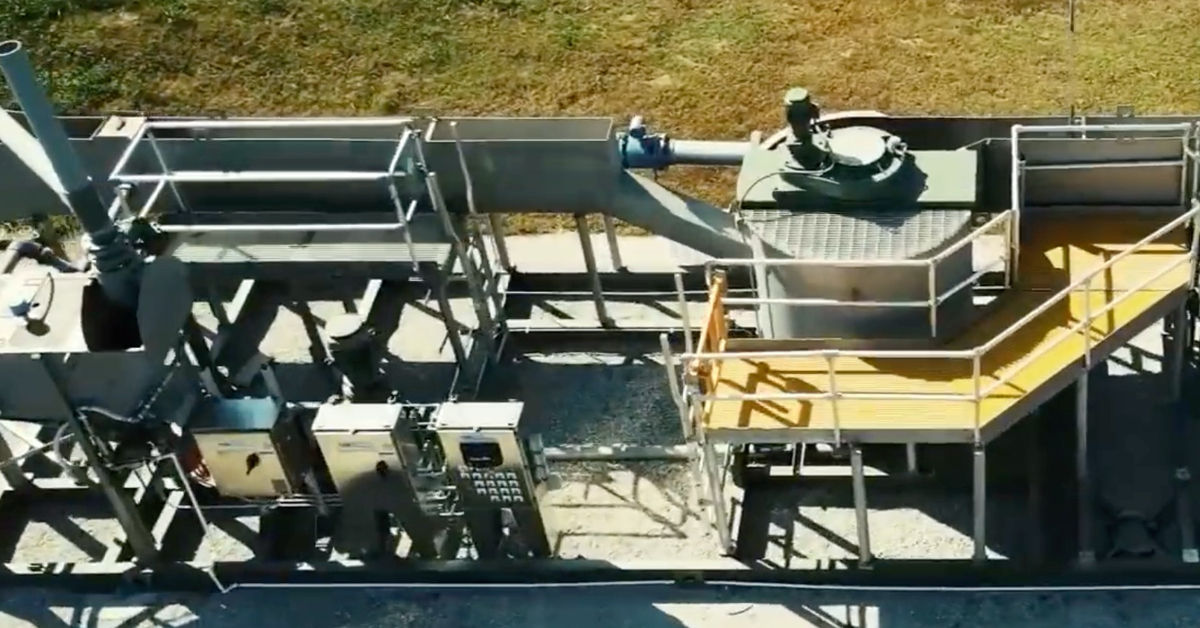
Down to the Nitty-Gritty?
What is Grit?
Grit consists of heavy, inorganic particles in wastewater, such as sand, gravel, coffee grounds, eggshells, and other dense materials. While small, these particles can cause significant problems if not removed early in the treatment process.
Why Remove Grit?
- Protect Equipment: Grit can cause abrasion and wear on pumps, valves, and pipes.
Prevent Sediment Build-Up: Accumulation in channels, basins, and tanks can reduce capacity and efficiency. - Improve Treatment Efficiency: Removing grit early allows downstream biological treatment processes to operate more effectively.
- Reduce Maintenance Costs: Less grit in the system means fewer repairs, less cleaning, and longer equipment life.
How Grit Removal Works
Grit removal systems separate heavy inorganic solids from wastewater before biological treatment. This is usually done in grit chambers, where wastewater flow is slowed so grit can settle while lighter organic matter remains suspended.
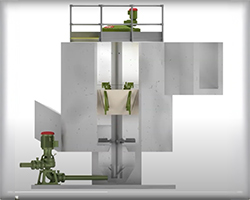
Common Methods of Grit Removal:
Aerated Grit Chambers: Fine air bubbles keep organic material suspended while heavier grit settles to the bottom, where it is collected for removal.
Vortex (Hydraulic) Grit Chambers: Wastewater enters tangentially, creating a vortex. Centrifugal forces push grit to the center or bottom for collection.
Key Performance Metrics
- Removal Efficiency: High-performance systems can remove up to 95% of particles ≥75 microns.
- Flow Handling: Systems must manage both average and peak flows efficiently.
- Footprint & Flexibility: Space constraints, retrofit requirements, and integration with downstream equipment influence system choice.
Choosing the Right Grit Removal System
Selecting the best system depends on site-specific conditions:
- Footprint: Compact systems are ideal for retrofits.
- Flow Variability: Some designs handle fluctuating flows better than others.
Installation Type: Certain systems are better suited for new plants, while others excel in upgrading existing infrastructure. - Maintenance & Operation: Consider the ease of grit removal, cleaning, and long-term operation.
Additional Considerations
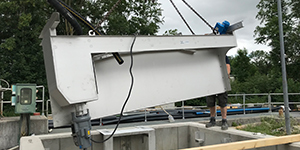
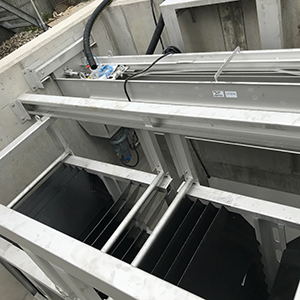
Some systems can also remove FOG (fats, oils, and grease), which can be a concern in certain communities. Others are designed for high-capacity flow and can reduce footprint and cost. Ultimately, the goal is the same: advanced grit removal for long-term protection of equipment and improved efficiency in wastewater treatment. Selecting the right solution requires evaluating site-specific flow, space, and operational needs.
Contact Energenecs
We represent two leaders in grit systems, Smith and Loveless and Huber – from grit capture, through classification and cleaning – please consult our team to discuss the best options for your specific application at info@energenecs.com.








0 Comments